

Sandybook Tech Simplified - Please like, share & subscribe.


- Details
- Written by Sandybook
- Category: Health Book
- Hits: 1331

Top Health Benefits of Eating Eggs
Eggs have been eaten by humans for thousands of years. The female animals of many different species produce eggs, but by far the most common choice for consumption is the egg of the chicken.Eggs are one of the few foods that should be classified as "superfoods."
Both the white and yolk of an egg are rich in nutrients - proteins, vitamins and minerals with the yolk also containing cholesterol, fat soluble vitamins and essential fatty acids. Eggs are an important and versatile ingredient for cooking, as their particular chemical make up is literally the glue of many important baking reactions.
Nutritional highlights
Eggs are among the most nutritious foods on the planet.
A whole egg contains all the nutrients required to turn a single cell into a baby chicken.
A single large boiled egg contains (1):
- Vitamin A: 6% of the RDA
- Vitamin B5: 7% of the RDA
- Phosphorus: 9% of the RDA
- Folate: 5% of the RDA
- Vitamin B12: 9% of the RDA
- Vitamin B2: 15% of the RDA
- Selenium: 22% of the RDA
- Eggs also contain decent amounts of vitamin D, vitamin E, vitamin K, vitamin B6, calcium and zinc.
This comes with 77 calories, 6 grams of protein and 5 grams of healthy fats.
Benefits
There are several health benefits that can be derived from eggs,
- Strong muscles: The protein within eggs helps keep muscles working well while slowing the rate at which they are lost.
- Skin benefits: Some vitamins and minerals within eggs help promote healthy skin and prevent the breakdown of body tissues. A strong immune system also contributes to a healthy look overall.
- Eyesight: Lutein and zeaxanthin help to prevent macular degeneration, the leading cause of age-related blindness. Other vitamins also promote good vision.
- Brain health: Eggs contain vitamins and minerals that are needed for the regular functioning of cells, including the brain, nervous system, memory, and metabolism.
- Weight loss and maintenance: The high quality of protein within eggs might help keep people energized and feeling fuller for longer. Feeling full prevents snacking, which reduces overall calorie intake.
- Good energy production: Eggs contain all the daily vitamins and minerals that are needed to produce energy in all the cells of the body.
- Lower risk of heart disease: Choline plays an important part in breaking down the amino acid homocysteine, which is associated with the development of heart disease.
- A healthy immune system: Vitamin A, vitamin B-12, and selenium are key to keeping the immune system healthy.
- Healthful pregnancy: Some nutrients within eggs help to prevent congenital disabilities, such as spina bifida.
They Help Your 'Good' Cholesterol
This “good” cholesterol, called HDL, seems to go up in people who have three or more eggs a day. Of course, LDL, the “bad” type, goes up, too. But the individual pieces of each get bigger. That makes it harder for the bad stuff to hurt you and easier for the good stuff to clear it away.
They Can Lower Your Triglycerides
Your doctor tests you for these along with HDL and LDL. Lower triglycerides are better for your health. Eating eggs, especially those enriched with certain fatty acids (like omega-3s), seems to bring down your levels.
A Valuable Source of Choline
Choline is a macronutrient that is essential for several important physiological functions including neurological development, nerve function, muscle control and metabolism. You don’t see choline listed on any nutritional labels, and many of us are unaware of the important benefits of this nutrient. No need to worry however, because the egg has your back.
Eggs are one the richest dietary sources of choline. One medium sized egg contains approximately 100 mg of choline. There are no strict daily intake guidelines for choline, however it is recommended that women take in 425-500 mg of choline daily, unless they are pregnant or nursing, it which case it is slightly more. Adult men are advised to take in approximately 550 mg daily. One egg a day gets you well on your way to that goal.
Reduce the Risk of Breast Cancer
Dietary modifications are a well-respected means of reducing your overall risk of developing cancer. Most anti-cancer diet are rich in fruits, vegetables and whole grains. You can increase the effectiveness of your preventative diet by adding eggs on a regular basis. Case studies show that the choline found in egg yolks to be associated with a reduced overall risk of breast cancer. Additionally, other studies show that women who consume two or fewer eggs per week have a slightly elevated overall risk of developing the disease.
How to select and store
Choose eggs from free-range or organically raised chickens. Eggs should always be visually inspected before buying. It is best to check for cracks or liquid in the box to ensure there are no broken ones. Eggs are best stored in the refrigerator where they may remain for up to one month (check the best-before-date on the box). Eggs with higher omega-3 fatty acid content are best eaten as early as possible to keep these oils fresh.
Risks
The following possible health risks are associated with the consumption of eggs:
- Bacteria: People are advised to avoid eating raw or undercooked eggs. Bacteria can enter the egg through pores in the shells. In the U.S., all eggs graded by the U.S. Department of Agriculture (USDA) are washed with a sanitizing rinse during the screening stage at a processing plant.
- Pasteurization: In the U.S., egg products are also required by law to undergo a process called pasteurization. During this process, eggs are rapidly heated and kept at a high temperature for a period of time to kill off any Salmonella bacteria.
- Storage and cooking: Eggs should be avoided if their shells are cracked or if they are past expiration date.
Most advisory bodies recommend that eggs are stored in the refrigerator. The USDA state that if eggs are left out at room temperature they can sweat, making it easier for bacteria to move into the egg and grow. When cooking eggs properly, they must be cooked thoroughly until the yolks are firm. Scrambled eggs, for example, should not be runny.
- Details
- Written by Sandybook
- Category: Health Book
- Hits: 1529
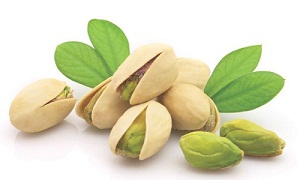
Benefits Of Pistachio Nuts
Not only are pistachio nuts tasty and fun to eat, they're also super healthy.
The health benefits of pistachios include a healthy heart, weight management, prevention of macular degeneration, and hypertension, as well as improved digestion. It also boosts blood, brain and skin health.these edible seeds of the Pistacia vera tree contain healthy fats and are a good source of protein, fiber and antioxidants.
What are Pistachios?
Pistachio, commonly famous by the name ‘Pista‘ in (Hindi,Gujarati,Marathi,Punjabi) also known as ‘Pistha Pappu‘ in Telugu is from Western Asia but it is mostly also available in the Mediterranean region. Pistachios are one of the oldest edible nuts and are commonly used all over the world. Pistachio nuts belong to the Anacardiaceae family from the genus Pistacia. A pistachio tree takes about 10 to 12 years to produce the first crop. They are drupe, where the fruit has a large seed in the center, which is edible.
Nutrients
Pistachios are very nutritious, with a one-ounce (28-gram) serving of about 49 pistachios containing the following:
- Thiamin: 16% of the RDI
- Fat: 12 grams (90% are healthy fats)
- Manganese: 17% of the RDI
- Calories: 156
- Phosphorus: 14% of the RDI
- Carbs: 8 grams
- Copper: 18% of the RDI
- Fiber: 3 grams
- Vitamin B6: 24% of the RDI
- Protein: 6 grams
- Potassium: 8% of the RDI
pistachios are one of the most vitamin B6-rich foods around.
Vitamin B6 is important for several functions, including blood sugar regulation and the formation of hemoglobin, a molecule that carries oxygen in red blood cells.
Health Benefits
- Healthy Heart
Pistachios help in reducing bad cholesterol, LDL and increases good cholesterol, HDL in the body thus preventing heart diseases. It also increases strength of the nerves making heart stronger - Weight Management
Pistachios are also the first choice of people who are dieting. Pistachios, with their lower calories, high protein, low saturated fat, and high unsaturated fats, are a perfect contender for ideal weight management. - Prevents Diabetes
60% of the daily required phosphorous is present in a cup of pistachios which can prevent even type-2 diabetes. Also phosphorous in pistachios helps in breaking down proteins into amino acids resulting in glucose tolerance. - May Help in Weight Loss
Pistachios are high on fiber that keeps you full for longer, further preventing over-eating. The fiber present in them also helps in boosting your metabolism. Moreover, the monounsaturated fats present in pistachios are soluble in nature and hence help in preventing weight gain. Pistas are also considered as low calorie snacks, so you can enjoy them whenever you feel hungry, so you know that you are not packing up calories. - Prevents Macular Disease or AMD
Pistachios contain carotenoid antioxidants such as lutein and zeaxanthin. These antioxidants help in reducing the risk of contracting an age-related macular disease in the elderly. - Haemoglobin And Blood
Vitamin B6 is the protein that helps in carrying oxygen in the blood. The high quantity of B6 in pistachios if taken daily can increase the oxygen quantity in the blood and increase the haemoglobin count in it. - Promotes Healthy Gut
Pistachios contain high amounts of dietary fiber that helps in strengthening the digestive system. Various studies including one that was conducted in the University of Florida suggest that pistachios are good for the gut bacteria and further help in boosting good gut bacteria. Pistas are a great source of healthy fats, proteins, fibre and antioxidants that make them a great food for your gut. - Promotes Eye Health
The high amount of vitamin E present in the pistachios helps in promoting eye health and also in improving your vision. It also contains carotenoids that protect the eyes from macular degeneration and cataract. Pistas also contain lutein and zeaxanthin, both of which are great antioxidants for the eyes. They protect the eyes from sun-damage and other lights. - Absorption of Iron
Pistachios have a high copper content, which helps in the higher absorption of iron into the body from food sources. This can help combat conditions like anemia as the hemoglobin count rises and increases blood flow. Better blood flow, in turn, also boosts brain health. - Nervous System
Vitamin B6 is present in high concentration in pistachios which is very beneficial to nervous system. Amines are the messaging molecules in the nervous system. In order to develop, they need amino acids which are dependent on vitamin B6 presence in the body. This vitamin builds a sheath called myelin around the nerve fibers. And messages pass via Nerve fibers from one nerve to another. Vitamin B6 helps in building many amino acids which help in proper transmission of nerve impulses. - Boosts Immunity
Vitamin B6 is very important for a healthy immune system. This helps in building blood and proper blood supply throughout the body. - Healthy Skin
Vitamin E is very essential for a healthy skin and this anti-oxidant is present in pistachios. It integrates the cell membranes of the mucous membranes of the skin membranes. It protects skin from harmful UV rays, prevents from skin diseases and makes skin healthy and more beautiful.
How To Select And Store Them?
- Pistachios are available in many different forms such as unshelled, shelled, salted, roasted, etc. It’s is always advisable to settle on raw, shelled pistachios rather than processed and salted ones as they lose large nutritious values while processing.
- Stock up the shelled pistachios in a sealed, airtight container and unshelled in a cool, dry place. You can also freeze or refrigerate pistachios for almost one year.
- Details
- Written by kavita
- Category: Health Book
- Hits: 1286

Benefits Of Tai Chi
What is Tai Chi?
Tai chi is a defensive style of martial arts that includes gentle physical exercise and stretching and is known for its health benefits. Based on the philosophy of taiji, a balance between yin and yang, there are five different forms of this martial art. The movements of tai chi, which are often practiced in groups, tend to be slow and methodical. There are both physical and psychological benefits of this practice. It originated in China around the 12th century after which many other forms have geared up. While it was only found and practiced in China for hundreds of years, tai chi is now becoming a global phenomenon and is practiced across the world.
Types of Tai Chi
- Chen
This form involves a combination of both slow and very rapid movements, which makes it a difficult form to master, particularly for a beginner. That being said, this is also the first family of tai chi and is, therefore, one of the most popular. - Hao
The least practiced and least well known, this style does not use many derived movements from the other three styles. - Yang
Derived closely from the Chen style, this form of the martial art is considered the most widely accessible and popular style in the world. - Wu
As the Yang came from the Chen, so too did the Wu come from the Yang, and this further derived style is even easier to practice for many people. - Combined
There are various forms of tai chi that combine one or more of the schools outlined above. Any combination is possible, so the forms are truly limitless.
Benefits of Tai Chi
-
Better Balance
Balance decreases with age, as does the fragility of our bones, meaning falls are much more dangerous the older we get. Tai chi improves balance and stability by training sensory neurons in the inner ear and stretch receptors in the muscles and ligaments, thus reducing the risk of falls.There is also evidence that tai chi improves balance in people with mid-to-moderate Parkinson’s disease. Additional benefits included improved functional capacity and reduced falls.
-
Boost cognitive function.
Although the fact is that cognitive decline is prevalent among older adults (about 40 percent of older adults in America have some form of cognitive impairment, such as dementia and Alzheimer’s Disease), it need not be considered a foregone conclusion. Nor should getting older need be synonymous with cognitive decline. A growing body of evidence points to the benefits to older adults from practice of tai chi in the areas of global cognitive and memory functions, especially verbal working memory. A meta-analysis found agreement with the findings of numerous studies on the benefits to cognitive function from physical exercise, and researchers recommended tai chi as an alternative mind-body exercise to improve older adults’ cognitive functioning. -
Strength
Tai chi can strengthen our muscles when practiced regularly, which, in turn, keeps our joints stable and protected. Strong muscles also reduce the pain of osteoarthritis for sufferers. -
Improve COPD symptoms.
An Australian study found that a modified tai chi program – Sun-style tai chi — helped boost exercise capacity and improved participant’s chronic obstructive pulmonary disease (COPD) symptoms. Researchers noted that tai chi has “highly clinically relevant effects on endurance and peak exercise capacity in people with COPD.” -
Heart Health
Research at Harvard Medical School found that patients who had chronic heart failure and began regularly practicing tai chi experienced a better quality of life, increased exercise capacity and that they slept better. -
Get better night-time sleep quality.
A 2016 pilot randomized controlled trial evaluating the benefits of tai chi qigong (TCQ) on night-time sleep quality of older adults with cognitive impairment found better quality of both sleep and life than a control group not participating in tai chi qigong. Since more than 25 percent of older adults with cognitive impairment suffer impaired sleep quality, the search for nonpharmacological approaches to improve the quality of night-time sleep is gaining momentum. Due to their low physical strength and medical condition, however, many older adults with cognitive impairment cannot engage in certain exercises. Thus, developing exercise programs tailored to mental conditions and reduced physical well-being is important. Results from the pilot trial showed tai chi qigong participants benefited from improved sleep qualities in the areas of sleep duration, sleep efficiency, and the mental health component of quality of life. Researchers noted that, as a low-intensity exercise, TCQ is an appropriate intervention to improve night-time sleep quality in older adults with cognitive impairment. -
Brain Boost
Adding a little tai chi to your life could also lower your risk of developing dementia or Alzheimer’s disease, suggests a new study from the Journal of Alzheimer’s Disease. The study showed that tai chi improved brain volume, an important part of cognition since gray matter typically shrinks with age. Researchers suggest that the high level of concentration needed for the tai chi movements could be to thank. -
Improve symptoms of fibromyalgia.
In a study comparing the effectiveness of tai chi and aerobic exercise on fibromyalgia symptoms in patients, researchers found that tai chi resulted in similar or greater symptom improvement than aerobic exercise. Longer-duration tai chi provided greater improvements, researchers noted, concluding that the mind-body approach of tai chi may be a viable therapeutic option in the multidisciplinary management of fibromyalgia. -
More Flexibility
Tai chi improves our flexibility and range of motion, making us more functional. Being flexible keeps our entire body healthy and allows us to be more active for longer. -
Improved Posture
Tai chi also improves posture, which is an important component of health (yeah, you heard us right). Developing good posture will result in less wear and tear on joint muscles and also aids breathing, because when we are sitting upright, there is more space for our lung to expand, improving breathing capacity. -
Reduce risk of falls.
Among older adults, the risk of falling is an ever-present and major concern. As such, finding therapeutic approaches to help reduce fall risk in this cohort is of major importance. A 2016 review of 10 randomized controlled trials examining tai chi’s effect on fall reduction found the ancient Chinese exercise demonstrates a significant protective effect on fall prevention risk among older adults. Researchers noted the need for additional trials to determine both optimal duration and frequency of tai chi programs and optimal style of such programs for older adults. -
Healthy Mind
The Chinese believe the mind is the most important aspect of health since the mind controls the body. Well, lucky for you tai chi is one of the most powerful mind-body exercises around. Almost everyone who takes up tai chi notices improved relaxation and concentration. It also helps us cope with the fast-pace of modern-day life by forcing us to take the time to appreciate the tranquillity and nature around you. -
Reduce prenatal anxiety and depression.
A 2013 study of tai chi and yoga treatment for prenatal women with anxiety and depression found that the tai chi group had lower scores in depression and anxiety, as well as lower scores in sleep disturbance at the end of the 12-week, once-per-week sessions.
Page 1 of 6
We have 199 guests and no members online
भारत | Tech | General | Science | Space
मध्यकालीन इतिहास (Medieval History) | Valentine day quotes | Valentine Day animated Greetings |